What is TABS?
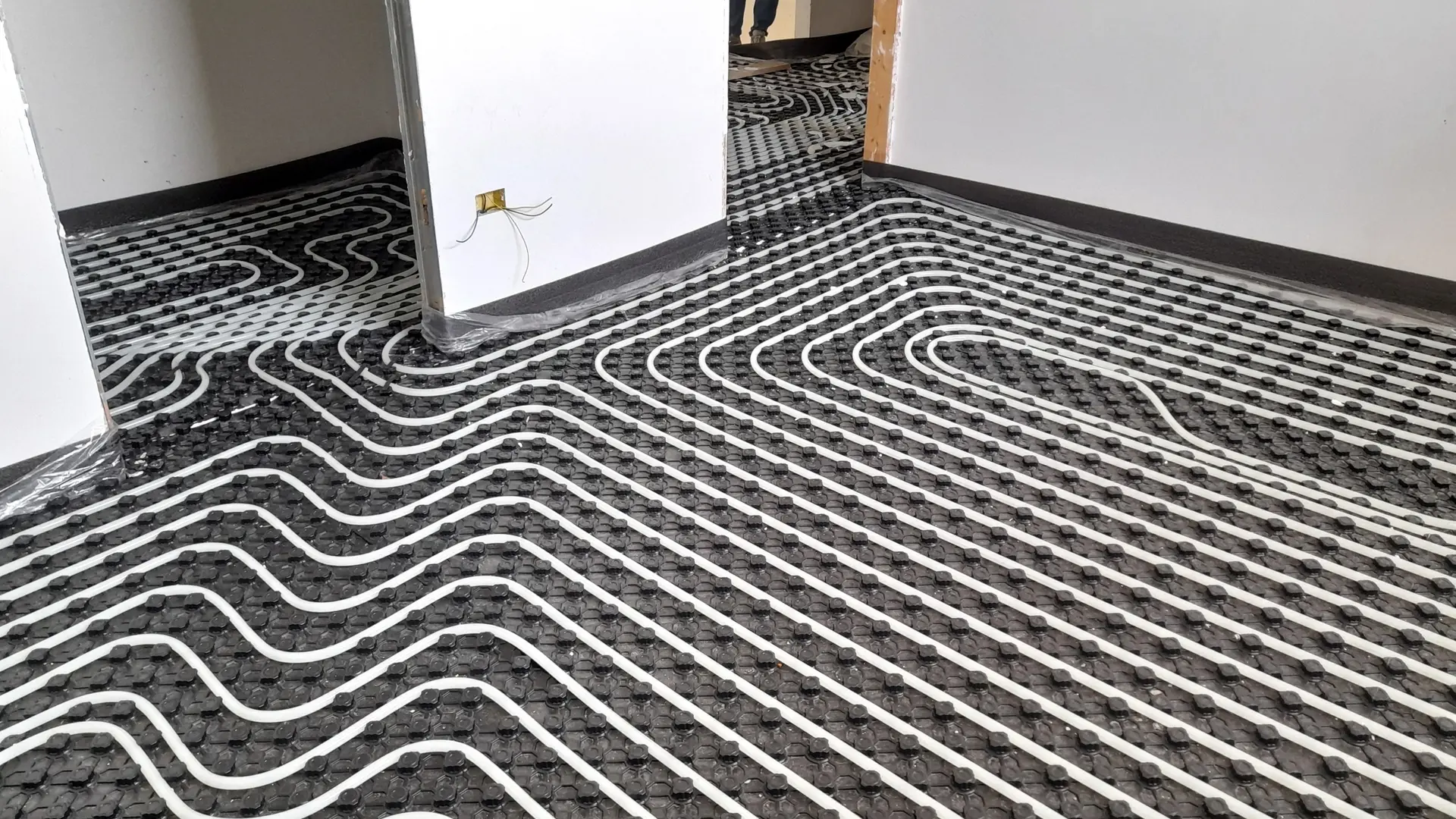
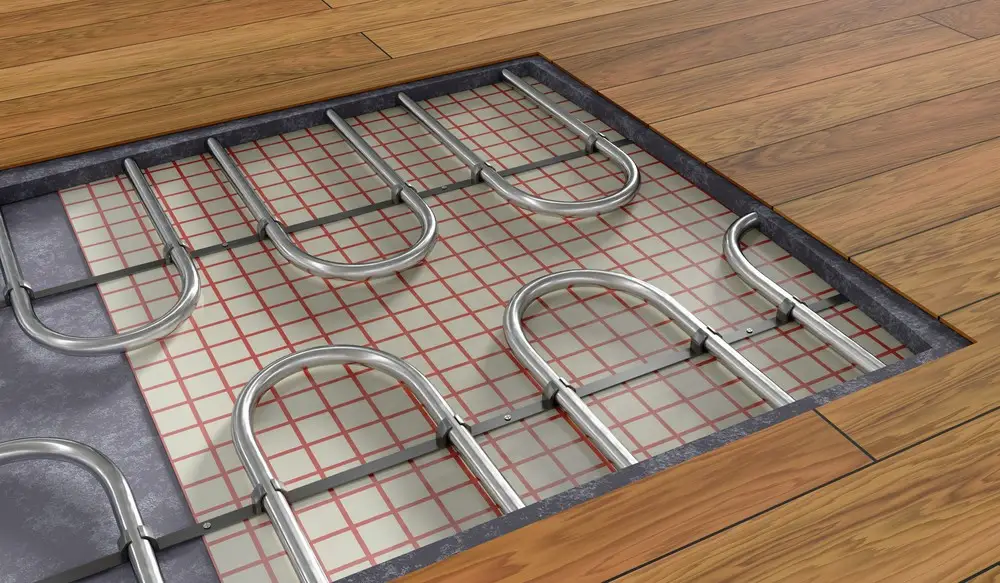
Thermally Activated Building Structures (TABS) is an advanced heating and cooling system that utilizes the thermal mass of a building’s structure—mainly concrete floors and walls—to regulate indoor temperatures. It works by embedding water pipes within concrete slabs to distribute heating or cooling efficiently.
TABS is particularly useful in buildings with large thermal masses, such as office buildings, hospitals, schools and universities, commercial spaces and industrial buildings. It is an energy efficient system that takes advantage of the high heat capacity of concrete to store and slowly release thermal energy.
How Does TABS Work?
TABS operates by circulating water through a network of pipes embedded within the structural elements of a building, such as floors, walls, or ceilings. The system can either provide heating or cooling, depending on the temperature of the water circulating through the pipes.
1. Heating Mode
- During colder months, warm water (typically around 25-35°C) is circulated through the embedded pipes.
- The heat from the water is transferred to the concrete, which then slowly radiates heat into the indoor environment.
- The system provides radiant heating, ensuring an even temperature distribution.
2. Cooling Mode
- In warmer months, cool water (typically 16-20°C) is circulated through the pipes.
- The concrete absorbs excess heat from the indoor environment, keeping the space cool.
- The system relies on radiant cooling, avoiding uncomfortable drafts that are common in air conditioning systems.
Key Components of a TABS System
- Concrete Slabs (Thermal Mass): Acts as a heat storage and transfer medium.
- Embedded Water Pipes: Usually made of PEX (cross-linked polyethylene) or PE-RT (polyethylene raised temperature)
- Heat Source and Chiller:
- Heat Source (e.g., heat pump, boiler, district heating) supplies warm water in winter.
- Chiller or Cooling Source (e.g., cooling tower, chiller units) provides cool water in summer.
- Control System: Smart controls regulate water temperature and flow to optimize energy efficiency.
- Circulating Pump: Ensures continuous water movement through the system.
Advantages of TABS
1. Energy Efficiency
- Uses low-temperature heating and high-temperature cooling, reducing energy consumption.
- Works well with waste heat recovery
- Reduces reliance on conventional air conditioning and heating systems.
2. Comfortable Indoor Climate
- Provides uniform temperature distribution, avoiding temperature fluctuations.
- Eliminates drafts and noise associated with air-based HVAC systems.
- Enhance thermal comfort through radiant heating and cooling.
3. Cost Savings
- Low operational and maintenance costs.
- Reduces peak energy demand, leading to lower utility bills.
- Long lifespan compared to traditional HVAC systems.
4. Environmentally Friendly
- Reduces carbon emissions by optimizing energy usage.
- Minimizes refrigerant-based cooling, which is harmful to the environment.
5. Architectural Flexibility
- Eliminates the need for bulky radiators, air ducts, or fan coil units.
- Allows for open-space designs with aesthetic and functional benefits.
Comparison: TABS vs. Traditional HVAC
| Feature | TABS | Traditional HVAC |
| Energy Efficiency | High (low water temperatures) | Lower (higher energy demand) |
| Thermal Comfort | Excellent (radiant heating/cooling) | Moderate (forced-air systems) |
| Noise Level | Silent | Can be noisy |
| Maintenance | Low | High (filters, ducts, fans, etc.) |
| Response Time | Slow | Fast |
| Integration with Renewables | Excellent | Limited |
Applications of TABS
TABS is suitable for:
- Office buildings
- Schools and universities
- Hospitals and healthcare facilities
- Commercial spaces
- Industrial buildings
Conclusion
TABS is an innovative and sustainable way to heat and cool buildings by leveraging the thermal mass of concrete structures. It offers high energy efficiency, enhanced comfort, and cost savings, making it a preferred choice for modern building design. However, careful planning is required to optimize performance, especially in climates with significant temperature variations.