Most South Africans know this by now, but heating can quietly push your electricity bill up without you really noticing it, first it’s a case of one heater left on, then that heater stays on a little longer, then another room needs one too. Before long you are using a lot more power just to keep the house ‘relatively’ comfortable.
The other problem is that traditional heaters do not always warm a room evenly. You can be roasting next to the heater and still have the other side of the room feeling cold.
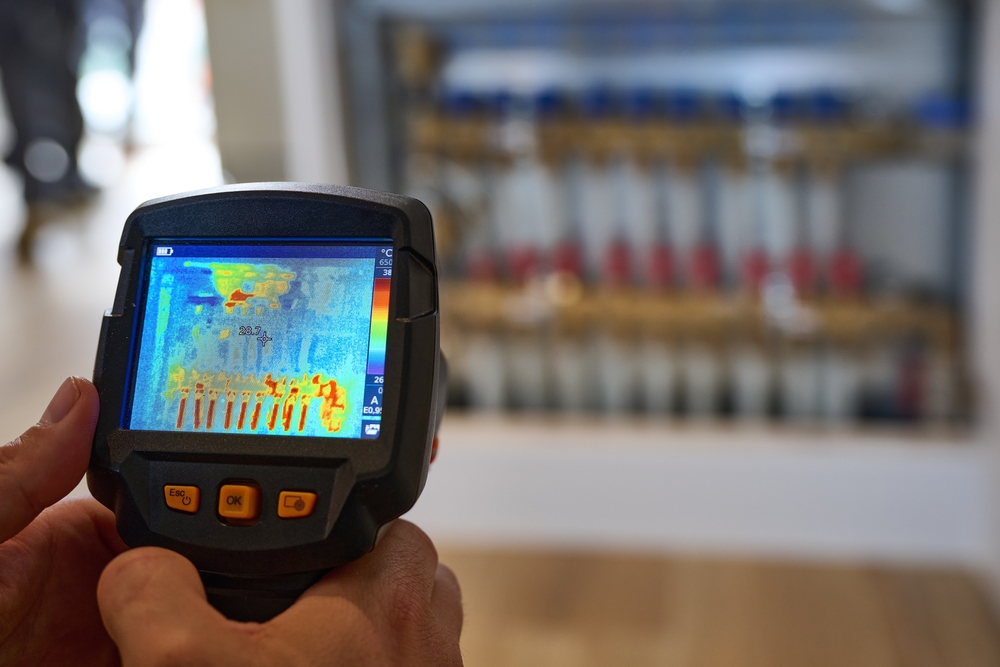
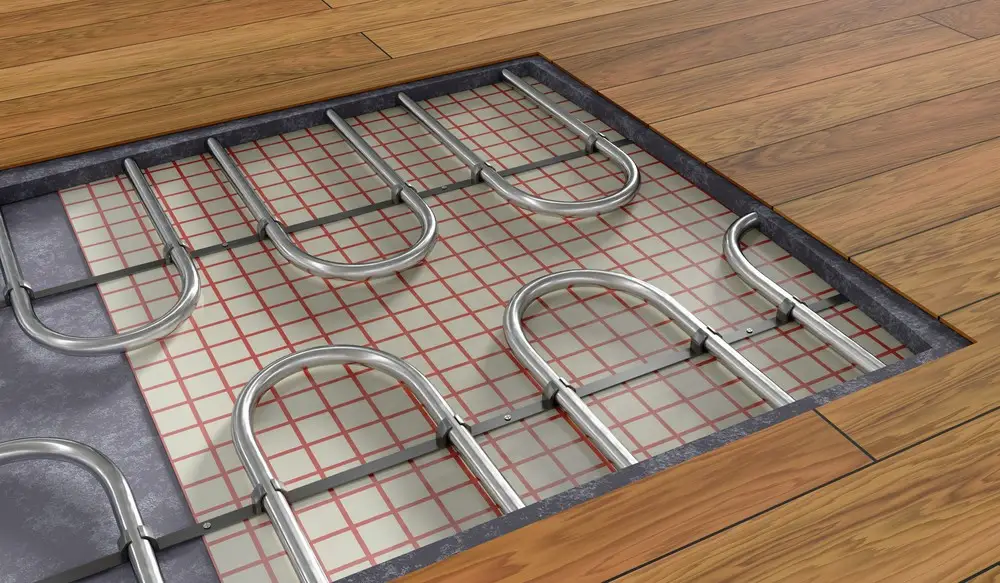
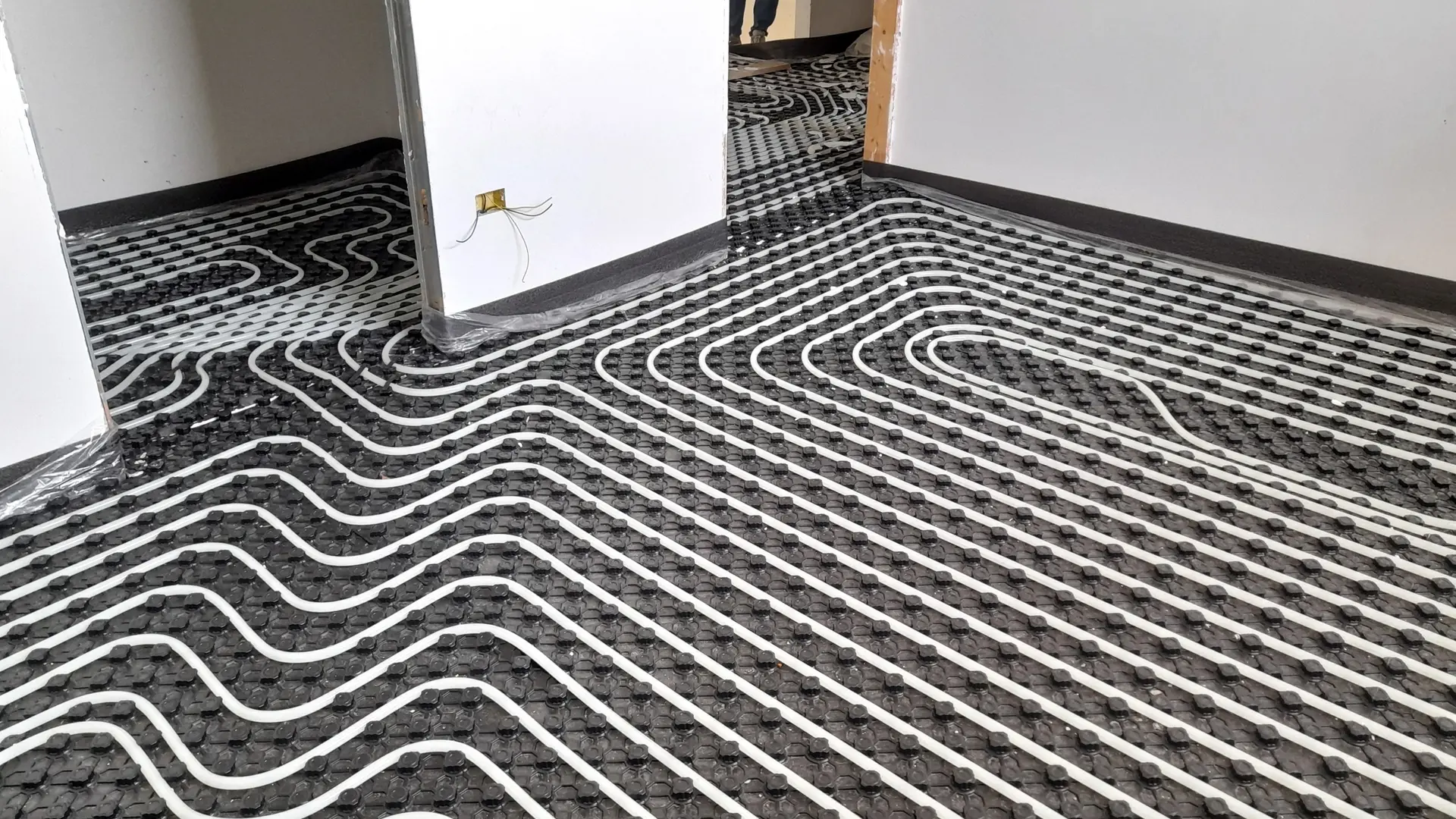
Underfloor heating avoids that by spreading warmth across the whole floor instead of concentrating it in one spot. The heat rises through the room more evenly, which means you do not have to keep chasing cold areas with higher temperatures or longer heating times.
That more consistent warmth can make underfloor heating a more energy-efficient way to keep your home comfortable through winter.
Why Even Heating Matters
Portable heaters and wall-mounted units usually concentrate heat in a relatively small area. If you are sitting close to the heater, you might be perfectly comfortable. Move a few metres away and the temperature can feel noticeably different.
That unevenness often leads people to turn the temperature higher or leave the heater running for longer than they otherwise would.
Underfloor heating spreads warmth across the floor surface instead. The heat then rises gradually throughout the room, helping to reduce those noticeable hot and cold spots.
When the whole room feels more comfortable, there is less temptation to keep increasing the temperature simply because one corner still feels cold.
Comfortable Rooms at Lower Temperatures
Underfloor heating does not need to be cranked up to make a room feel warm.
Because the heat is coming through the floor across the room, you are not waiting for one heater to warm the air around it and eventually reach everywhere else. The warmth is already spread out, so a slightly lower thermostat setting can still feel perfectly comfortable.
That becomes more important once the heating is running regularly through winter. A degree here or there might not seem like much, but if the system can keep the room comfortable without running hotter than it needs to, you are simply using less energy over time.
Heat Where You Actually Need It
There is also something quite practical about heating a room from the floor upward.
Traditional heaters warm the surrounding air first, with much of that heat eventually rising towards the ceiling. Underfloor heating begins at floor level, where people are actually using the room.
So, in essence, instead of just having one source of intense heat like a mobile room heater, the floor itself acts as one large, gentle heating surface.
What this basically does in effect is create a more stable even temperature throughout the space and can reduce the need for repeated thermostat adjustments during the day.
Smart Controls Can Make a Big Difference
The heating system itself is only part of the equation, how you control it matters too.
Modern underfloor heating systems can be paired with programmable or smart thermostats, allowing homeowners to decide when individual areas should be heated rather than simply leaving the system running all day full throttle.
You can, for example:
- Set heating around your normal morning and evening routine.
- Reduce the temperature while rooms are empty.
- Keep frequently used areas comfortable without heating the entire home unnecessarily.
- Avoid leaving the heating on simply because someone forgot to switch it off.
Used properly, these controls allow the system to work when it is actually needed rather than continuously consuming energy.
Thinking Beyond the Initial Cost
Underfloor heating does require an upfront investment, so it is worth looking beyond the installation cost alone.
The long-term value comes from how efficiently the system is used over time. Good insulation, sensible thermostat settings and properly planned heating zones can all help reduce the amount of energy required to maintain a comfortable indoor temperature.
Insulation still plays a big part here. If a home is losing heat through the roof, walls or windows, even a good heating system has to work harder to keep up.
Underfloor heating works best when the rest of the home is helping to hold that warmth in. Pair it with decent insulation and sensible thermostat settings, and you are giving the system a much easier job.
That also means you are not relying on separate heaters in different rooms, each running for hours just to keep the temperature comfortable.
If you are considering underfloor heating and want to get a better idea of what would actually suit your home, speak to our team at Pioneer Floor Heating. We can help you work through the layout, heating zones and system options rather than simply pointing you towards a one-size-fits-all setup!