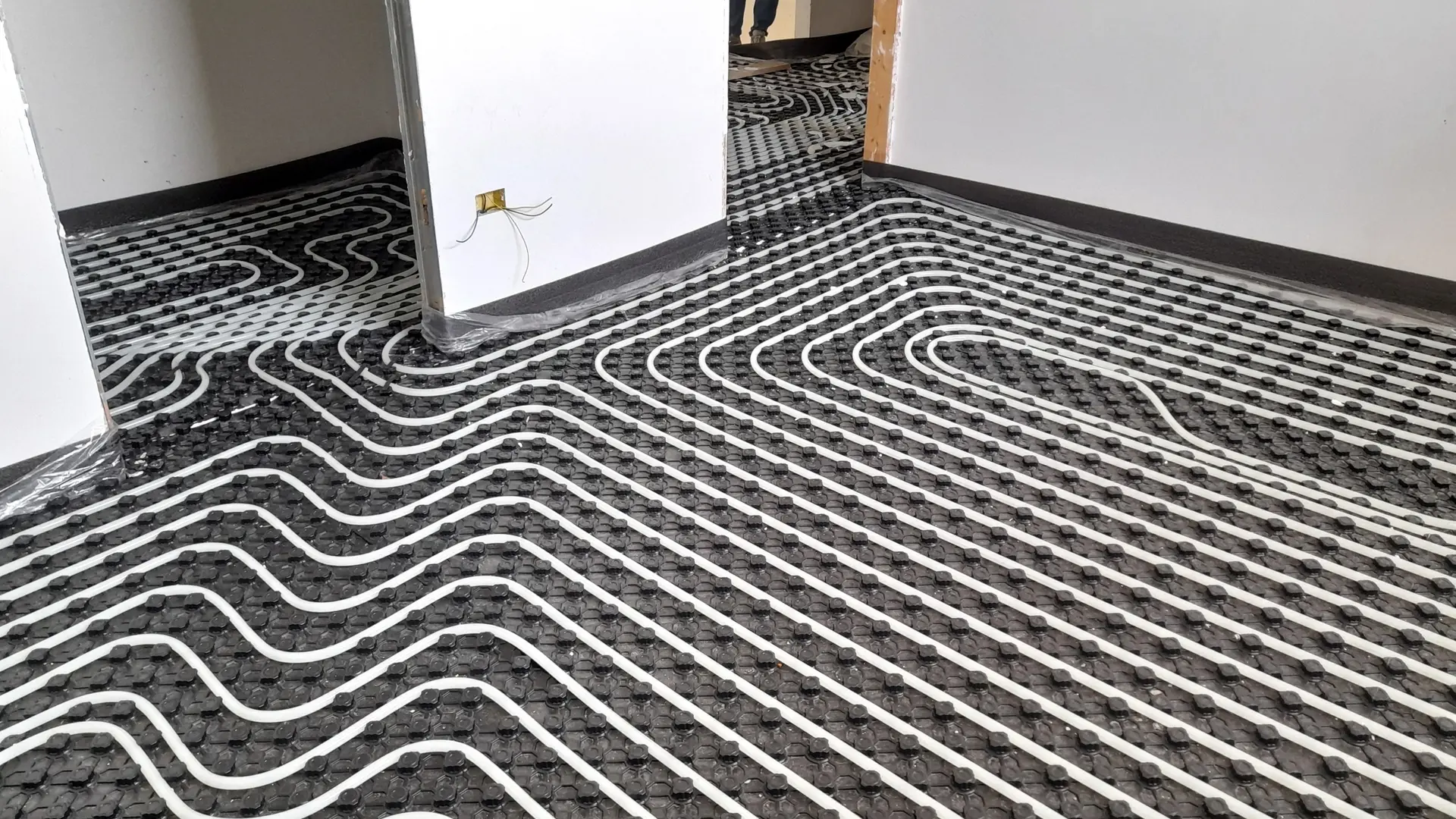
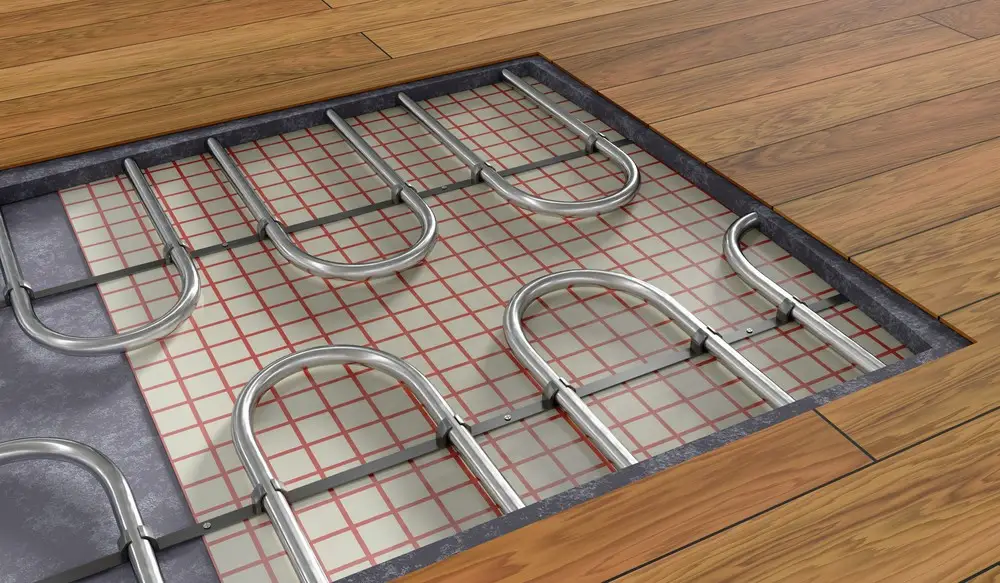
Spring is the season of new beginnings, and for many homeowners, it’s the perfect time to tackle renovation projects. Whether you’re updating a single room or planning a full home makeover, one upgrade that can truly transform your living space is underfloor heating.
More than just a heating system, it’s an investment in comfort, design freedom, and the long-term value of your home.
Why Spring is the Ideal Renovation Season
Spring is the optimal time for installing underfloor heating (UFH) not just for convenience, but for efficient project management:
Shorter Lead Times for Contractors
Demand for heating work typically peaks in the autumn and winter months. Contractors often have more open schedules in the spring, allowing homeowners to schedule installations and complete the work more quickly.
Integrated Project Sequencing
The installation of UFH is inextricably linked to floor replacement. By choosing spring, the work can be perfectly timed with the fitting of new screed (the material covering the heating pipes/cables) and the final floor finish, minimising disruption before the next heating season.
Proactive Preparedness
Completing the installation in the milder months ensures the entire system is tested, commissioned, and fully operational long before the severe cold arrives, guaranteeing your home is warm, cozy, and energy-efficient when you need it most.
Design Freedom and Maximising Usable Space
The appeal of UFH goes beyond warmth; it is a fundamental design element that maximises architectural freedom:
Complete Furniture Placement Flexibility
Radiators impose a constraint on interior design, often dictating where large furniture pieces (like sofas or cabinets) must be placed to avoid blocking the heat. UFH, as a completely invisible system, frees up 100% of wall space, allowing for truly uncompromised layout planning.
Achieving a Minimalist Aesthetic
The seamless, uncluttered look achieved by eliminating bulky appliances aligns with modern, minimalist design principles. This hidden system modernises the home’s aesthetics instantly.
Increased Property Value through Space Perception
For renovators, maximising every square meter is crucial. UFH allows wall space to be used for storage, large artwork, or architectural features, functionally increasing the perceived and usable area of a room.
Consistent Comfort and Healthier Living
UFH provides superior thermal comfort through radiant heat, which is fundamentally different from the convection heat produced by radiators:
Uniform Radiant Heating
Radiators heat air through convection, causing warm air to rise to the ceiling while cooler air remains near the floor, leading to uneven temperatures and “cold spots.” UFH heats objects and surfaces directly from the ground up, providing a consistent, gentle, and evenly distributed warmth across the entire floor area.
Reduced Dust Circulation
Because UFH avoids the powerful convection currents created by hot radiators, it significantly reduces the movement of dust, allergens, and mites throughout the room. This contributes to a healthier indoor environment, a particular benefit for occupants with allergies or respiratory sensitivities.
Long-Term Value and Energy Efficiency
Underfloor heating is a significant investment that delivers substantial returns in both energy savings and property value:
Energy Efficiency Gains Over Radiators
UFH is universally recognised as more energy-efficient than traditional radiator systems, primarily because it operates at a lower temperature:
| Feature | Underfloor Heating (UFH) | Traditional Radiators |
| Operating Temperature | Typically 27–31°C | Typically 65–75°C |
| Heat Distribution | Radiant Heat (Uniform, even from floor up) | Convection Heat (Uneven, concentrates heat near ceiling) |
| Efficiency Gains | Up to 15-25% more efficient (up to 40% when paired with a heat pump) | Less efficient due to higher required operating temperature and greater heat loss |
The ability to run at a lower flow temperature means your boiler or heat pump works less intensely, consuming less fuel to maintain the desired comfort level, leading to lower running costs over time.
System Longevity and Investment
System Lifespan: Water-based (hydronic) UFH systems, when properly installed within the floor structure, are extremely durable and often have a lifespan of 30 years or more with minimal maintenance, offering long-term reliability.
Renewable Energy Pairing
UFH is perfectly suited for use with Air Source Heat Pumps (ASHPs) and Ground Source Heat Pumps (GSHPs) because these renewable technologies operate most efficiently when providing low-temperature water. This pairing maximises both efficiency and the home’s environmental sustainability.
Key Renovation Tip: Water-Based vs. Electric UFH
The choice of system depends entirely on your renovation scale and project type:
| System Type | Best For | Installation Complexity/Cost | Operating Cost/Efficiency |
| Water-Based (Hydronic) | New Builds, Full House Renovations, Large Open-Plan Areas | Higher Upfront Cost (complex installation, requires floor depth) | Lowest Long-Term Running Costs(most efficient for constant, large-area heating) |
| Electric Mat/Cable | Retrofitting Existing Rooms, Small Spaces (Bathrooms, Kitchens) | Lower Upfront Cost (easy, thin mats, minimal floor height increase) | Higher Running Costs (better for intermittent use or zone heating) |
Flooring Pairings
The thermal conductivity of your chosen floor finish is crucial for system performance:
High Conductivity
Tiles or natural stone are the best conductors, transferring heat quickly and efficiently to the room.
Good Conductivity
Engineered wood is dimensionally stable and works well, unlike solid wood which can warp.
Compatible Options
Vinyl and laminate are modern, stylish, and manufactured to be heat-friendly, but always ensure they are rated for use with UFH.
This spring, as you plan your home renovation, don’t just think about how your space will look—think about how it will feel. Underfloor heating brings unmatched comfort, modern design freedom, and long-term value to your home.
Upgrade today, and by the time winter rolls around, you’ll wonder how you ever lived without it.